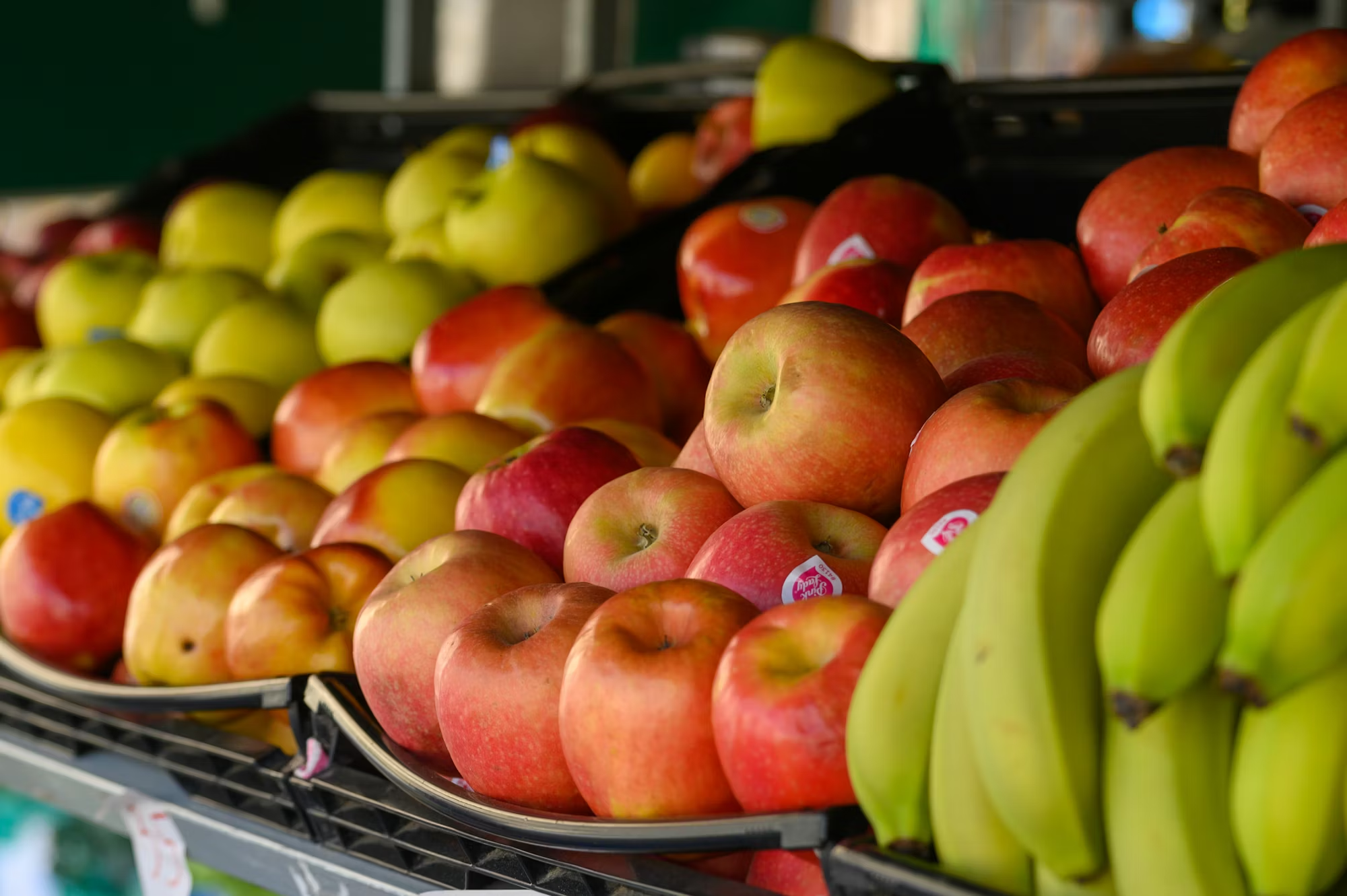
In the pursuit of optimal health and performance, nutrition plays a vital role, and incorporating superfoods into your diet can significantly enhance your fitness journey. Superfoods are nutrient-dense foods that offer exceptional health benefits, often packed with vitamins, minerals, antioxidants, and other essential compounds. By adding these powerful foods to your meals, you can not only improve your physical performance but also support recovery and overall well-being.
One of the key benefits of superfoods is their ability to provide essential nutrients that fuel the body during exercise. Foods like quinoa, sweet potatoes, and brown rice are excellent sources of complex carbohydrates, which supply the energy necessary for sustained physical activity. These carbohydrates digest slowly, providing a steady release of energy that helps maintain endurance during long workouts.
Quinoa, in particular, has gained popularity as a superfood due to its impressive nutrient profile. This ancient grain is a complete protein, meaning it contains all nine essential amino acids, making it a fantastic choice for those looking to build muscle and recover after intense workouts. Additionally, quinoa is rich in fiber, magnesium, and antioxidants, which contribute to overall health and help combat oxidative stress caused by exercise.
Another superfood that deserves recognition is sweet potatoes. Packed with vitamins A and C, as well as potassium and fiber, sweet potatoes are not only delicious but also incredibly versatile. They can be baked, mashed, or roasted, making them a great addition to any meal. Their natural sweetness makes them an appealing option for a pre-workout snack or a hearty post-workout meal.
Fruits are also a category of superfoods that can enhance your fitness journey. Berries, such as blueberries, strawberries, and raspberries, are particularly noteworthy. They are low in calories but high in antioxidants, which help protect the body from oxidative damage during intense exercise. Berries can easily be added to smoothies, yogurt, or oatmeal, making them an effortless way to boost your nutrient intake.
For those who enjoy tropical flavors, mangoes and pineapples are also excellent options. Rich in vitamins, these fruits provide natural sugars that offer a quick energy boost, making them perfect for pre-workout snacks. The hydration properties of these fruits can also support overall fluid balance, which is essential for optimal performance.
Nuts and seeds are another group of superfoods that should not be overlooked. Almonds, walnuts, chia seeds, and flaxseeds are nutrient powerhouses, offering healthy fats, protein, and fiber. These foods are excellent for snacking or can be added to meals for an extra nutritional punch. For instance, incorporating chia seeds into smoothies or overnight oats can enhance the fiber content, aiding digestion and promoting a feeling of fullness.
The omega-3 fatty acids found in walnuts and flaxseeds are particularly beneficial for athletes, as they can help reduce inflammation and support recovery. Including these foods in your diet can lead to improved joint health and faster recovery times, allowing you to return to your workouts with renewed energy.
Leafy greens, such as spinach and kale, are also considered superfoods due to their dense nutrient profile. These vegetables are packed with vitamins A, C, and K, as well as iron and calcium. They can easily be incorporated into salads, smoothies, or cooked dishes. Spinach, for example, can be added to omelets or blended into a smoothie for a nutritious boost.
For those who prefer plant-based sources of protein, legumes are an excellent choice. Chickpeas, lentils, and black beans are rich in protein, fiber, and various essential nutrients. They can be used in salads, stews, or even blended into dips like hummus. The high fiber content in legumes promotes digestive health and helps maintain stable energy levels, making them a great addition to any athlete’s diet.
In addition to incorporating superfoods into your meals, it’s essential to maintain balance in your diet. While superfoods provide numerous health benefits, it’s important to combine them with a variety of other nutrient-dense foods. Whole grains, lean proteins, healthy fats, and plenty of fruits and vegetables should form the foundation of a well-rounded diet.
Moreover, meal timing can also impact performance and recovery. Consuming a balanced meal containing carbohydrates, proteins, and healthy fats before and after workouts is crucial. A pre-workout meal should ideally be consumed 1-3 hours before exercise, providing enough time for digestion. This meal can include a combination of superfoods, such as a quinoa salad with leafy greens and roasted sweet potatoes, ensuring that your body is well-fueled for the workout ahead.
Post-workout nutrition is equally important, as it helps replenish glycogen stores and repair muscle tissue. A smoothie made with Greek yogurt, berries, and a scoop of protein powder can serve as a quick and convenient recovery option. This combination provides the necessary carbohydrates and protein to aid recovery, while the antioxidants from the berries help combat oxidative stress caused by exercise.
In summary, incorporating superfoods into your diet can significantly enhance your fitness journey by providing the essential nutrients your body needs to perform at its best. From quinoa and sweet potatoes to berries and leafy greens, these nutrient-dense foods can improve energy levels, support recovery, and contribute to overall health. By maintaining a balanced diet and timing your meals effectively, you can optimize your performance and enjoy a healthier lifestyle. Embrace the power of superfoods and take your fitness journey to new heights.